
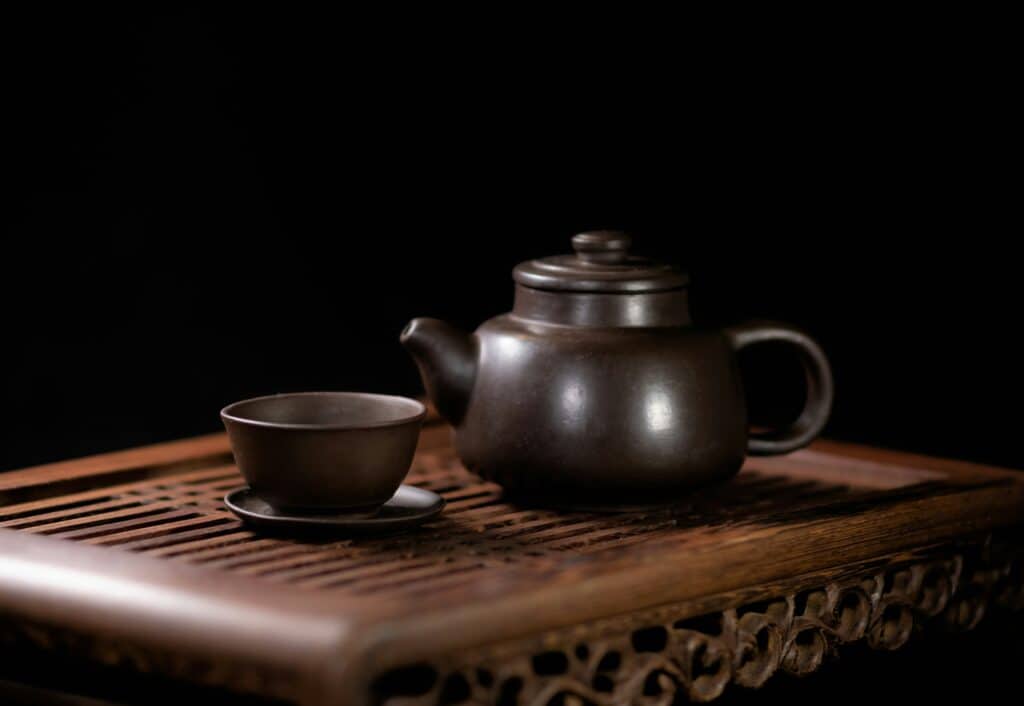
Ah tea. I used to hate drinking tea.
I never really found any benefit in drinking it. I always thought it was just an excuse for people to gather and talk. Although this isn’t wrong, it wasn’t until later that I started to respect tea for it’s uses. I never got any real “caffeine” benefit from it ever. I’d have to drink this stuff all day to get the same kick as a cup or two of joe.
I started drinking chamomile tea one night after feeling restless when I just needed to relax, because I didn’t have anything else around.
That experience pushed me to learn about other teas and their effects in case I ever ran into moments where I didn’t have any other supplements available on hand.
So I’ll share what you need to know about teas and their effects. Here is a list of some teas you can drink and how they can help you.
Green Tea
It originated in ancient China by accident when the tea leaves incidentally blew into a pot of boiling water. Now regularly consumed by many cultures like the Japanese, including bodybuilders and gym rats in large quantities for it’s fat burning and weight loss managing effects. An 8oz (230ml) cup contains about 30-50mg of caffeine.
Short Term Effects: Temporary increase in focus, alertness and provides more mild, relaxed, anti-anxiety effects thanks to L-Theanine. Green tea has a longer lasting effect than coffee and provides increased concentration and memory function.
Green tea contains powerful anti-oxidants, has anti-inflammatory effects, and boosts metabolism. It has vitamins and minerals like Vitamin C, Vitamin B2, Folate, Magnesium, Potassium, and Manganese.
Long Term Health Benefits: Green tea has been known to help reduce cell damage, aging and prevention in chronic diseases like Alzheimer’s and Parkinson’s. They also help boost fat burning and thermogenesis which is when your body produces excess heat by burning extra calories. In addition, they help inhibit bad breath and cavities, and improves gut health. Just remember to drink it without sugar. Green tea lowers bad LDL and raises good HDL cholesterols, and improves artery flexibility and health, reducing blood pressure, and cardiovascular health. Green tea has also been known to improve insulin sensitivity and blood sugar spikes which combat type-2 diabetes. Green tea also may help protect against UV damage and skin aging.
I recommend you drink 3-5 cups/day of Green tea for best results.
Chamomile Tea
It originated in ancient Egypt, Greece, and Rome where chamomile flowers were used for medicine and relaxation. Now regularly consumed worldwide, especially before bed, for its calming and stress-reducing effects.
Short Term Effects: Temporary increase in relaxation, reduced stress, and improved sleep quality thanks to compounds like Apigenin which bind to receptors in the brain that promote calmness and drowsiness. Chamomile tea helps reduce anxiety, tension, and may soothe mild headaches.
Chamomile contains powerful anti-oxidants, has anti-inflammatory effects, and supports digestion. Has vitamins and minerals like Calcium, Magnesium, Potassium, Vitamin A, and Folate.
Long Term Health Benefits: Chamomile tea has been known to help reduce inflammation, improve sleep patterns, and support immune function. It may help lower blood sugar levels, support heart health by reducing bad LDL cholesterol, and improve digestive issues like bloating and indigestion. It also helps soothe menstrual discomfort and supports skin healing due to its anti-inflammatory compounds. Chamomile may help reduce mild symptoms of anxiety and depression over time.
I recommend you drink 1-3 cups/day of Chamomile tea for best results.
Lemon Tea
It originated as a simple herbal and citrus remedy used across Asia and Europe for digestion and immunity support. Now regularly consumed worldwide for its refreshing taste and vitamin C support. An 8oz (230ml) cup contains about 0-30mg of caffeine depending on whether black or green tea is used as the base.
Short Term Effects: Temporary increase in hydration, refreshed focus, and digestive comfort. Lemon tea helps soothe the throat, reduce mild nausea, and can provide a light energy boost if made with black or green tea.
Lemon tea contains anti-oxidants, has cleansing and anti-inflammatory effects, and supports hydration. Has vitamins and minerals like Vitamin C, Potassium, Vitamin B6, Magnesium, and small amounts of Calcium.
Long Term Health Benefits: Lemon tea has been known to support immune health, and improve digestion. Vitamin C helps protect cells from damage and supports collagen production for healthier skin. It may also support weight management by improving digestion and hydration habits. Lemon tea can help improve heart health and support better iron absorption when consumed with meals.
I recommend you drink 2-4 cups/day of Lemon tea for best results.
Peppermint Tea
It originated in Europe and the Middle East where peppermint leaves were used for digestion and medicinal purposes. Now regularly consumed worldwide for its cooling taste and stomach-soothing effects. Peppermint tea contains no caffeine.
Short Term Effects: Temporary relief from bloating, indigestion, and stomach discomfort. Peppermint tea helps relax digestive muscles, freshens breath, and provides a calming but mentally refreshing effect.
Peppermint contains anti-oxidants, has anti-inflammatory effects, and supports digestion. Has vitamins and minerals like Vitamin A, Iron, Potassium, Calcium, and Magnesium.
Long Term Health Benefits: Peppermint tea has been known to help improve digestion, reduce IBS symptoms, and lower feelings of nausea and discomfort after meals. It may help support respiratory health by soothing congestion and opening airways slightly. Peppermint also helps reduce headaches and muscle tension while supporting oral health by reducing bacteria that cause bad breath.
I recommend you drink 1-3 cups/day of Peppermint tea for best results.
Ginger Tea
It originated in ancient China and India where ginger root was used as both food and medicine for thousands of years. Now regularly consumed worldwide for digestion, immunity, and inflammation support. Ginger tea contains no caffiene.
Short Term Effects: Temporary relief from nausea, improved digestion, and warming effects throughout the body. Ginger tea helps reduce bloating, settle the stomach, and may improve circulation and mild energy levels.
Ginger contains powerful anti-oxidants, has strong anti-inflammatory effects, and supports immune health. Has vitamins and minerals like Magnesium, Potassium, Vitamin B6, Vitamin C, and Manganese.
Long Term Health Benefits: Ginger tea has been known to help reduce chronic inflammation, joint pain, and muscle soreness. It supports digestion and gut health while helping reduce nausea from motion sickness or illness. Ginger may help improve blood sugar control, lower cholesterol levels, and support heart health by improving circulation and reducing blood pressure. It also strengthens immune response and may help protect against seasonal illness.
I recommend you drink 1-3 cups/day of Ginger tea for best results.
And there you have it!
Now you know what kind of tea to reach for when you need to manage the little things life throws at you.
Your friend,
Jamie

